Perovskite Solar and LED Breakthrough 2025: A New Era for Energy Technology

The tech world has been buzzing this week as scientists announced a major milestone in perovskite crystal technology, marking a potential revolution in both solar energy and LED lighting. Using a new vapor-based atomic-level deposition technique, researchers can now create ultra-efficient, low-cost perovskite layers that could outperform today’s mainstream silicon materials.
This breakthrough was achieved by a research team from a leading university, including the renowned Cavendish Laboratory. The project was co-led by senior scientists and co-first author Dr. Yang Lu, whose expertise in chemical engineering enabled precise atomic control in the vapor processing technique. The results were published in the journal Science, highlighting the scientific significance and impact of this achievement.
This breakthrough is more than just a scientific win — it may reshape everything from how our gadgets charge to how our homes are powered. Here’s a breakdown of what happened, why it matters, and how this innovation could change the future of consumer tech.
Introduction to Solar Cells
Solar cells are at the heart of the renewable energy revolution, transforming sunlight directly into electricity through the photovoltaic effect. For decades, silicon-based solar panels have powered the growth of solar energy, providing a reliable source of clean electricity for homes, businesses, and entire communities. However, as the demand for solar energy continues to rise, the industry is seeking new materials and technologies to boost efficiency and lower costs.
Enter perovskite solar cells—a next-generation material that is rapidly gaining attention for its remarkable potential. Unlike traditional silicon, perovskite solar cells can be manufactured using cost-effective processes and have demonstrated impressive initial efficiency in converting sunlight into usable energy. This makes them a promising candidate for the future of solar energy technology, offering a pathway to more affordable and accessible solar electricity.
Leading the charge in this field, the National Renewable Energy Laboratory (NREL) is pioneering perovskite research and development. Their work focuses on discovering new materials, refining manufacturing techniques, and pushing the boundaries of what solar cells can achieve. As perovskite solar technology matures, it could redefine how we harness solar energy, making clean power more efficient and cost-effective for everyone.
What Exactly Happened?
Researchers developed a high-precision Angstrom-level vapor deposition method to create perovskite films that are:
More stable
More energy-efficient
Cheaper to produce
Scalable for mass manufacturing
The new method mimics the precision used in semiconductor chip manufacturing, allowing scientists to build perovskite structures with atomic accuracy. By slightly changing the growth conditions during fabrication, researchers can achieve the same degree of atomic control as standard semiconductors, using the same method as in advanced chip manufacturing. This enables the fabrication of perfect perovskite crystals, with each single layer precisely engineered for optimal performance. The result? Solar cells and LEDs that match or exceed the performance of silicon — without the heavy cost or complex processing.
This is the first time perovskites have shown this level of industrial stability and efficiency, making the technology viable for real-world products.
Perovskite Research and Development
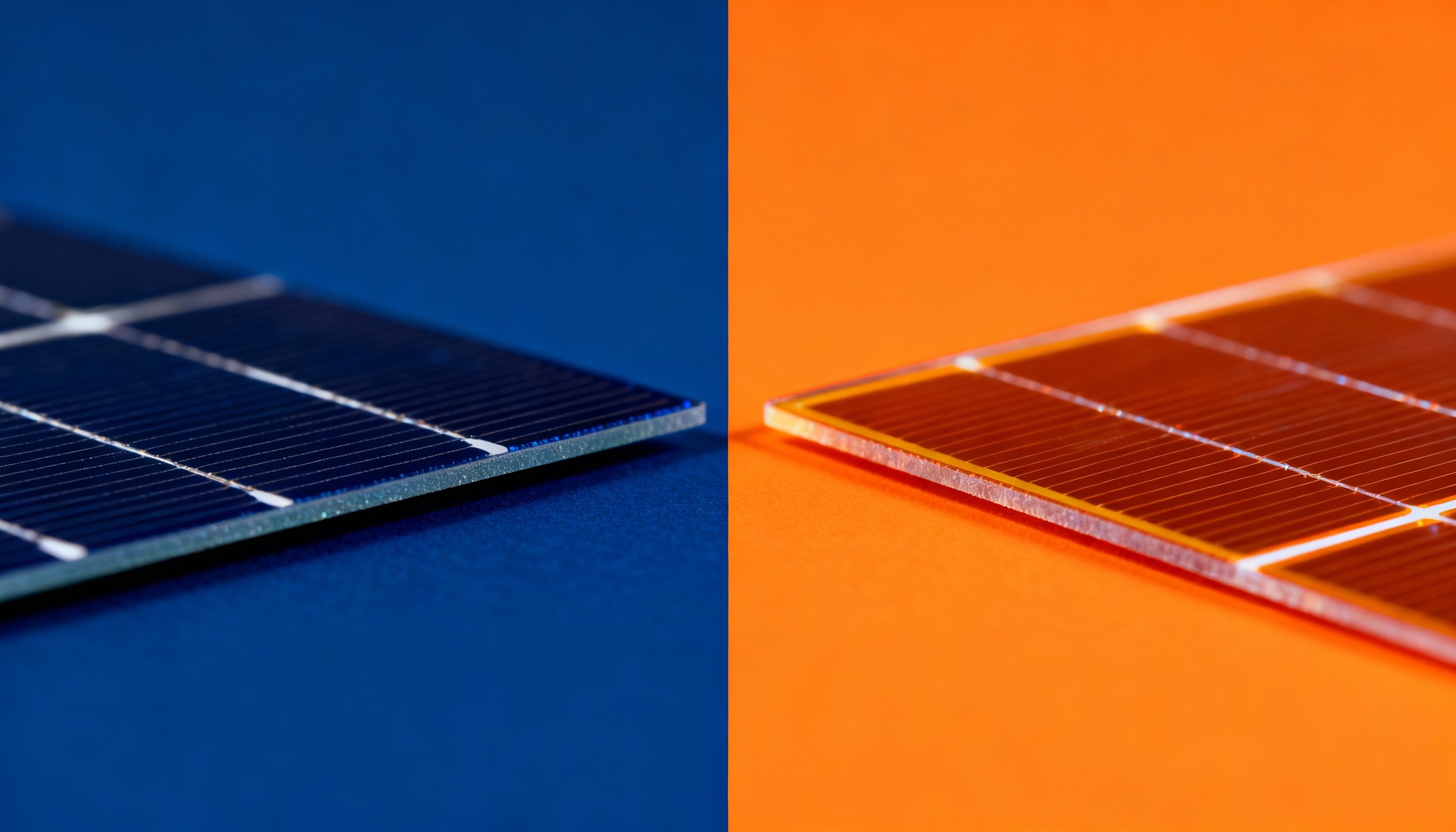
The field of perovskite research is advancing at a rapid pace, with scientists making significant strides in the quest for high-efficiency solar cells. One of the most exciting developments is the use of vapor processing techniques, which allow for the creation of perfect perovskite crystals with exceptional stability and performance. By precisely controlling the chemical composition layer during fabrication, researchers can fine-tune the properties of the perovskite layer, resulting in solar cells that deliver more power and greater efficiency.
A major breakthrough in this area is the development of tandem solar cells, which stack a perovskite layer on top of a silicon base. This combination captures a wider portion of the solar spectrum, enabling the device to convert more sunlight into electricity than standard semiconductors alone. The vapor-based technique used to grow these layers ensures atomic-level control, leading to improved long-term stability and higher efficiency.
Beyond solar panels, perovskite research is opening doors to innovative applications in wearable electronics and quantum technologies. The ability to engineer ultra-thin, high-performance working semiconductors means that perovskite materials could soon power everything from flexible solar chargers to next-generation sensors. As researchers continue to refine solution processing and vapor-based methods, the future of perovskite solar technology looks brighter than ever.
Why This Breakthrough Matters for Consumers

1. Cheaper Solar Panels
Perovskite solar cells cost significantly less to produce than silicon-based panels. If adopted widely, home and commercial solar systems could become more affordable, helping governments and consumers transition to greener energy faster.
2. Longer Lasting, More Efficient LEDs
Perovskite-based LED lights are brighter, more efficient, and require less power — ideal for smart homes, displays, car lighting, and IoT devices.
3. Better Energy Performance in Smart Devices
Future gadgets may incorporate perovskite technologies for:
Solar-powered smartphone cases
Energy-efficient smart bulbs
Low-power wearable devices
Longer-lasting portable solar chargers
If manufacturers adopt these materials, accessory brands will see new product categories emerge.
What This Means for the Future of Consumer Electronics

While the breakthrough focuses on solar and lighting, the ripple effects will impact several industries:
Smartphones & Charging Tech
Perovskite technology may lead to solar-boosted phone cases, ultra-efficient chargers, and longer-lasting displays.
For retailers and online stores like Ship N Shop, this means future opportunities in:
Solar-powered accessories
Eco-efficient fast chargers
High-efficiency LED smart devices
Portable energy solutions
Consumers increasingly care about sustainability, so brands incorporating perovskite-based materials may gain a competitive edge.
Environmental Impact: A Big Win for Sustainability

The new production method requires:
Less energy
Lower temperatures
Cheaper materials
This drastically reduces the carbon footprint of solar and LED products. In addition, faster production means manufacturers can scale quickly — pushing green energy adoption worldwide.
In short, perovskites may be the most significant clean-energy leap since commercial solar panels first hit the market.
Solar Energy Industry Trends

The solar energy industry is undergoing a dynamic transformation, fueled by falling costs and a global push for renewable energy solutions. Solar power is now more accessible than ever, with both residential and commercial sectors embracing new solar technologies to meet their energy needs. Innovations like perovskite solar cells and tandem solar cells are at the forefront of this shift, offering higher efficiency and more cost-effective options compared to traditional silicon-based panels.
Sustainability is also taking center stage, as manufacturers adopt greener practices and improve recycling methods to minimize environmental impact. The National Renewable Energy Laboratory (NREL) continues to drive progress in solar energy technology, focusing on enhancing the efficiency and durability of perovskite solar cells. Meanwhile, companies like Oxford PV are setting new records with their tandem solar cell technology, pushing the boundaries of what’s possible in solar electricity generation.
As research and development accelerate, the industry is poised for even greater advancements. The integration of new materials and cutting-edge techniques promises to deliver solar cells that are not only more powerful but also more affordable and sustainable. With these trends shaping the future, solar energy is set to play an even bigger role in the global transition to clean, renewable power.
Industrial & Supply Chain Implications
With this new technique now proven viable:
Tech manufacturers may shift away from silicon.
Production lines could be retooled for perovskites at lower costs.
Smaller companies may enter the energy-tech market due to reduced barriers.
This could disrupt traditional solar giants and LED manufacturers, leading to increased competition and innovation.
What Happens Next?
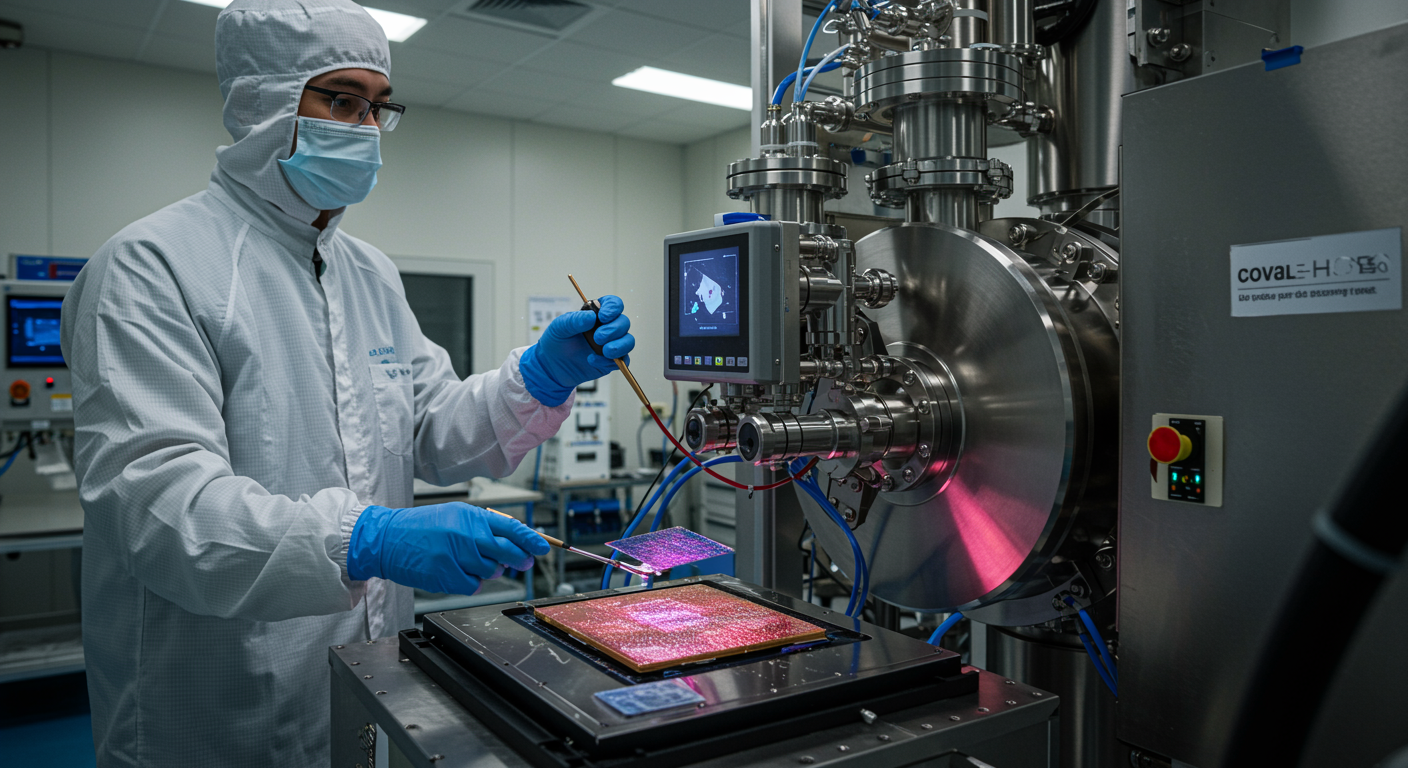
Over the next 12–24 months, we can expect:
Pilot factories for perovskite panel production
More research on long-term durability
Early integration into commercial LEDs
Tech companies exploring hybrid designs
By 2027–2030, perovskite technology may become an industry standard — powering both households and next-generation gadgets.
Conclusion: A Breakthrough Worth Watching
The 2025 perovskite solar and LED breakthrough marks a turning point in renewable energy and consumer tech. With lower costs, higher efficiency, and scalable manufacturing, perovskites have the potential to reshape everything from home lighting to smartphone accessories.
For consumers, it signals a future of smarter, cleaner, and more energy-efficient technology.
For businesses — especially tech retailers — it opens doors to new product lines and eco-friendly innovations customers are increasingly demanding.
The next decade of devices may shine brighter, charge faster, and work longer — all thanks to this breakthrough.
